
Understand the whole boundary
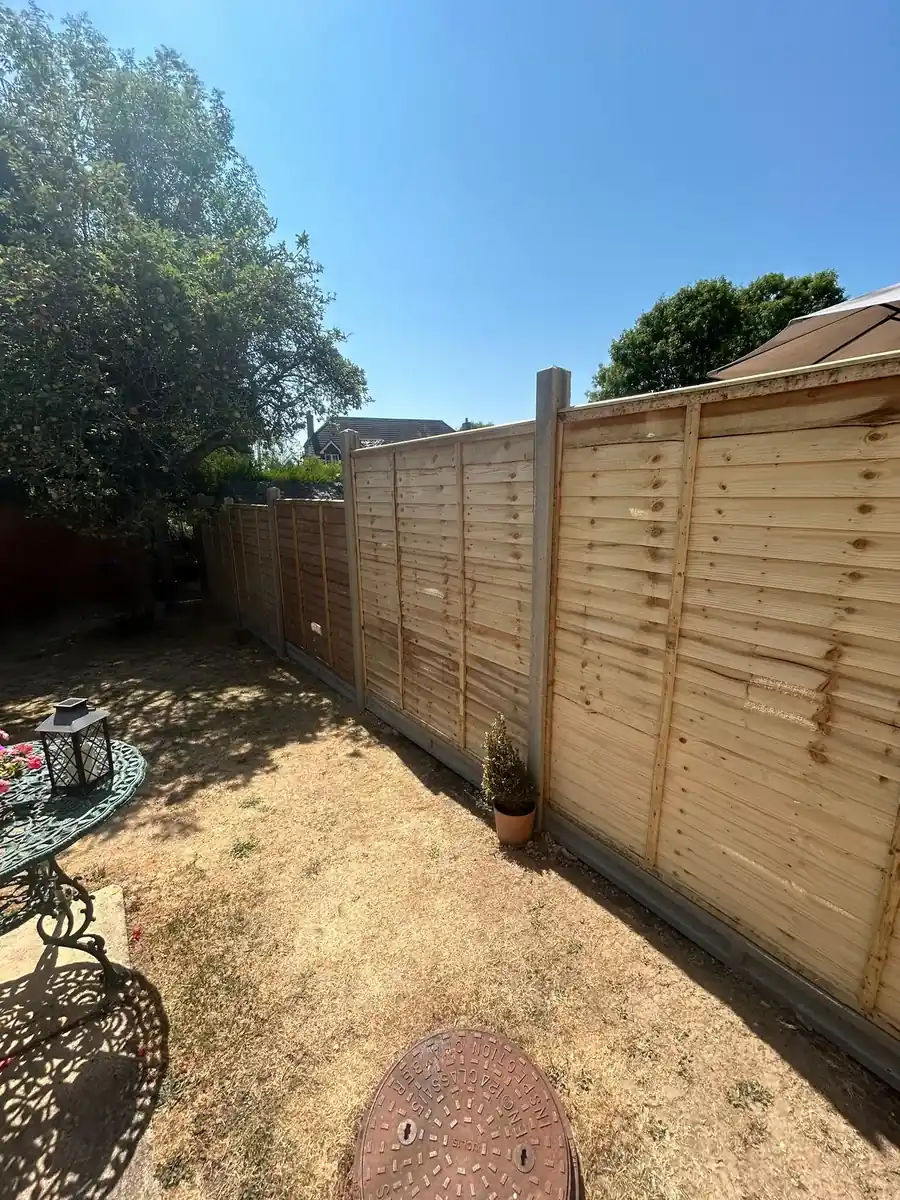
Photograph the full fence run, including corners, slopes, gates and anything already fixed near the line. That gives a clearer starting point than selecting panels in isolation.
Create a boundary that supports the garden
Fencing does more than mark a boundary. It can make a garden feel quieter, safer and more private—provided the line, support and access details have been thought through before new panels go up.
The practical benefit
Fencing does more than mark a boundary. It can make a garden feel quieter, safer and more private—provided the line, support and access details have been thought through before new panels go up.
What to consider
Photograph the full fence run, including corners, slopes, gates and anything already fixed near the line. That gives a clearer starting point than selecting panels in isolation.
Posts, gravel boards, depth and the way each section is set out determine how the fence performs over time. These working details matter as much as the visible timber.
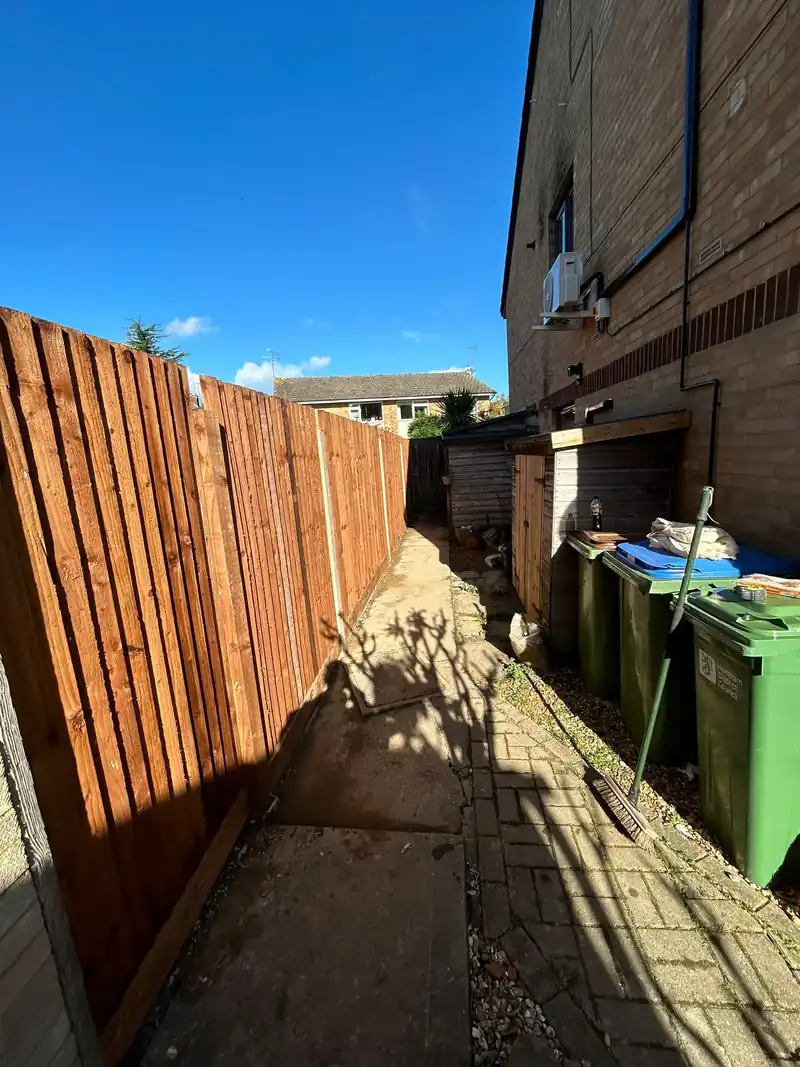
Replacing fencing can be the right moment to improve a narrow path, a planting strip or access to a shed. Considering these items together can prevent revisiting the same edge later.
Put the guide into practice
See how HSH plans fencing and decking projects around sound support, privacy and the wider garden layout.
Before a fence is replaced
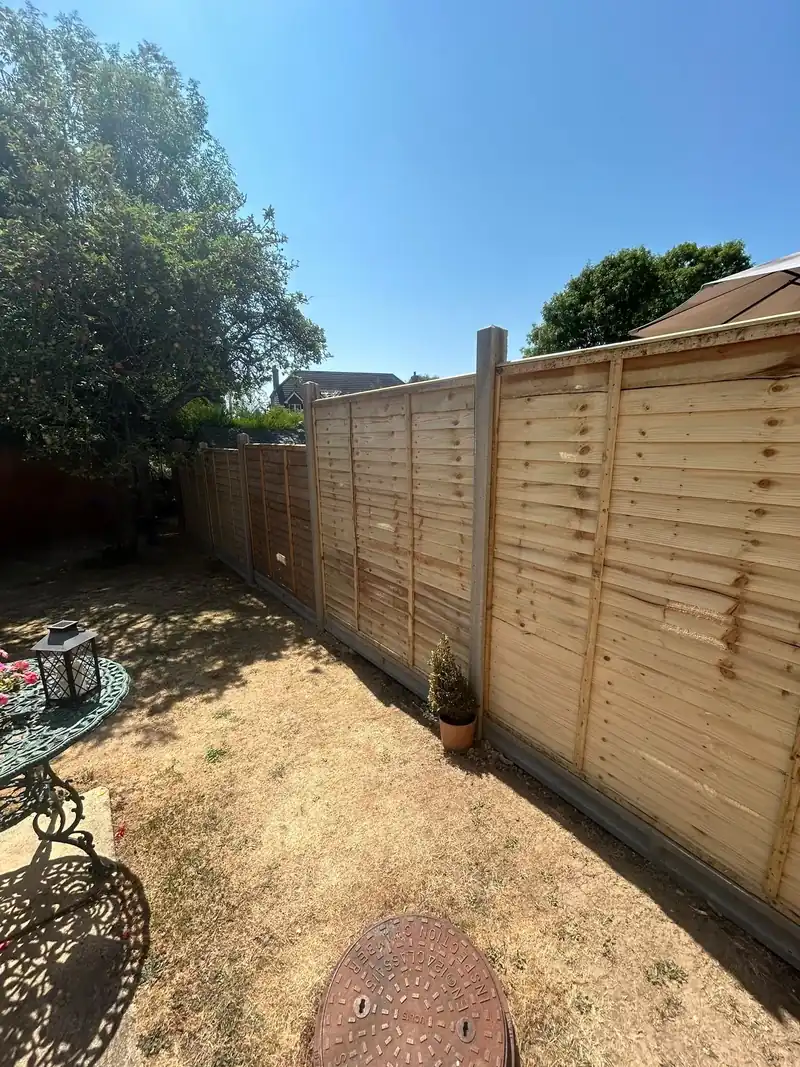
Stand in the garden at the times you use it most. Look towards neighbouring windows, a public path, the road and any place where a gate or shed creates an exposed view. That helps define whether the project is mainly about privacy, security, a clearer boundary or simply replacing a tired run. The answer can influence the height, style and the points where the new fence needs to meet existing work.
It is worth checking the practical route along the boundary too. Overhanging plants, stored items, services, uneven ground and steps may all affect access. If a side gate needs to remain usable or a neighbour-facing section has a particular constraint, mention it early. A boundary is rarely just a line of panels; it is part of the working garden.
Think about what should sit beside the new fence once it is finished. A planting strip, gravel margin or refreshed path can prevent the boundary feeling boxed in and can make maintenance easier. Where those connected details matter, HSH can combine the fencing work with the relevant groundwork or edging so the result feels planned rather than pieced together.
Ready for a useful conversation?
Send Harry the postcode area, what you want to achieve, approximate dimensions and a few photographs if you have them. The site, access and connected features can then be considered properly.